


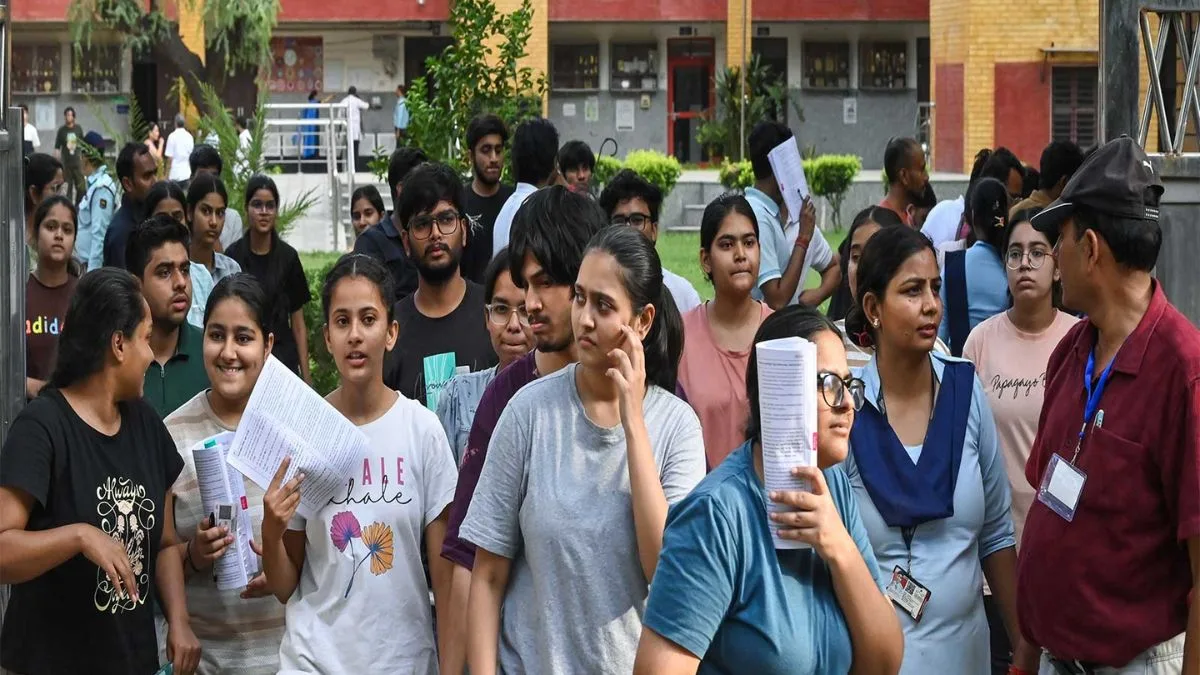
The Central Bureau of Investigation (CBI) has uncovered a complex scheme involving the NEET-UG 2026 exam leak, revealing that the plot spanned across several months. This scheme began with National Testing Agency (NTA) experts obtaining confidential questions and expanded to involve a network of coaching operators, brokers, and candidates willing to pay for early access.
According to the CBI’s chargesheet, the examination material traveled through several intermediaries before reaching its final recipients. CBI investigators have utilized WhatsApp and Telegram communications, along with photographs, call records, and forensic examinations of seized electronic devices, to track this illicit chain of information.
The investigation has particularly implicated three NTA-appointed subject experts, who allegedly took advantage of their privileged access to leak examination questions. The CBI asserts that the breach involved not just a single person transmitting information directly to a candidate, but rather a more sophisticated operation.
The chargesheet identifies key figures in this alleged scheme, including Shivraj Motegaonkar of Renukai Career Centre, Tejas Harshadkumar Shah of Dr Abhang Prabhu Medical Academy based in Pune, and Dr Manoj Bhagwanrao Shirure, who owns Siddhivinayak Hospital. These individuals reportedly facilitated the passage of leaked material outside the NTA framework.
A significant portion of the CBI’s case is founded on forensic data recovered from mobile devices owned by the accused. For instance, forensic examination of Yash Yadav’s phone unearthed PDF files containing the leaked NEET-UG 2026 questions. Additionally, investigators found exchanges on Telegram tied to an individual saved as “AP Broker,” later identified as co-accused Shubham Madhukar Khairnar.
The agency asserts that communication occurred well before the examination date, indicating a well-planned operation. Another device seized from accused Manisha Sanjay Waghmare contained a WhatsApp group titled “NEET 2026,” which the CBI cites as evidence of the organization’s operational communication.
The examination material’s movement reflects a structured approach, with individuals like Manisha Sanjay Waghmare, Dhananjay Lokhande, Shubham Madhukar Khairnar, and Yash Yadav serving as crucial links in distributing the leaked questions to eager candidates.
Officials believe that this layered distribution system amplified the speed at which confidential information transferred from trusted insiders to profit-seeking candidates. The CBI’s use of electronic communications alongside witness testimonies has allowed them to meticulously piece together how the examination material flowed through the network.
This shocking revelation of a months-long plot has serious implications for the integrity of one of India’s most crucial medical entrance examinations. The NEET-UG is a gateway for aspiring medical candidates nationwide, and the scrutiny around this incident underscores the need for robust safeguards to maintain the sanctity of such examinations.
As the investigation continues, the CBI aims to unravel more linkages in this complex conspiracy, emphasizing their commitment to eradicating corruption and ensuring fair assessment practices across critical educational contests in India.